
Strength training after 50 is not about the gym. It is about the next thirty years: carrying your own luggage, getting off the floor easily, hiking Sabino Canyon in November, and staying independent in your own home. Muscle is what makes all of that possible, and after 50 it needs deliberate attention, because muscle quietly declines a few percent every decade from our thirties onward, and the slide steepens in later decades.
The encouraging part is equally well documented: bodies respond to resistance training at every age. Studies of adults starting in their 50s, 60s, and beyond consistently show meaningful strength gains within the first few months. Here is how to start well in Tucson.
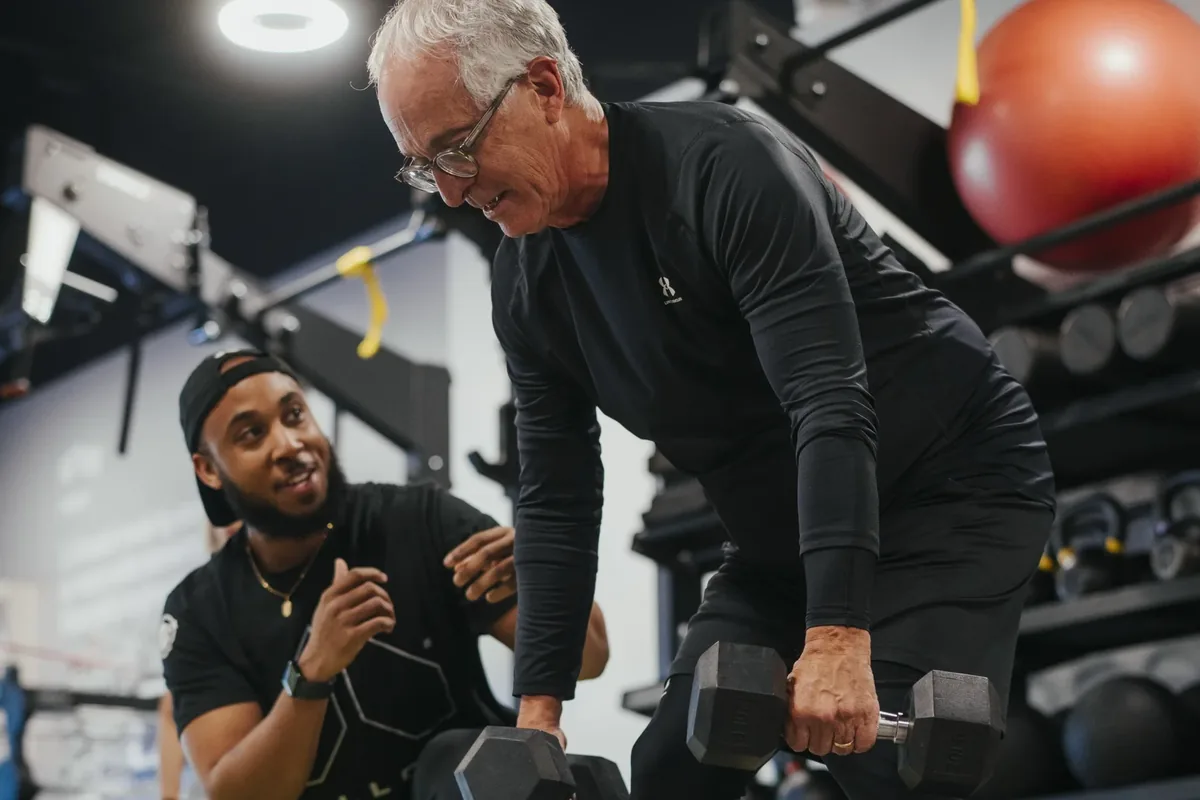
Why does strength training matter more after 50?
Because muscle and bone are both use-it-or-lose-it tissues, and the decades after 50 are when the losses compound into consequences: harder stairs, riskier falls, slower recoveries. No intervention has stronger research behind it for holding onto both than progressive resistance training, which is why national guidelines recommend strength training at least twice a week for all adults.
Walking, cycling, and swimming are excellent for your heart. They do not provide the load that muscle and bone need. That part requires resistance.
Is it safe to start at 55 or 65?
With proper coaching and gradual progression, strength training is among the safest forms of exercise for older adults. The important phrase is gradual progression: weights matched to your current ability, form watched closely, and advancement only when your body is ready.
That is the entire argument for coached environments. At our East Tucson studio, every member starts with a functional movement assessment and an InBody body composition analysis, so old injuries and mobility limits shape the program before your first workout instead of surprising everyone in week three. If you have a diagnosed condition, loop in your physician first; in most cases the answer is an encouraging one.
What results can you realistically expect?
Most new members notice everyday differences within the first several weeks: stairs feel easier, groceries feel lighter, energy holds up later into the day. Measurable body composition change typically shows over 8 to 12 weeks of consistent training, which is why programming at Alloy runs in structured 12-week cycles with monthly InBody rescans to track it.
And one worry worth retiring: accidentally getting bulky is not a realistic outcome. What builds at this age is dense, usable strength and a body that bounces back faster.
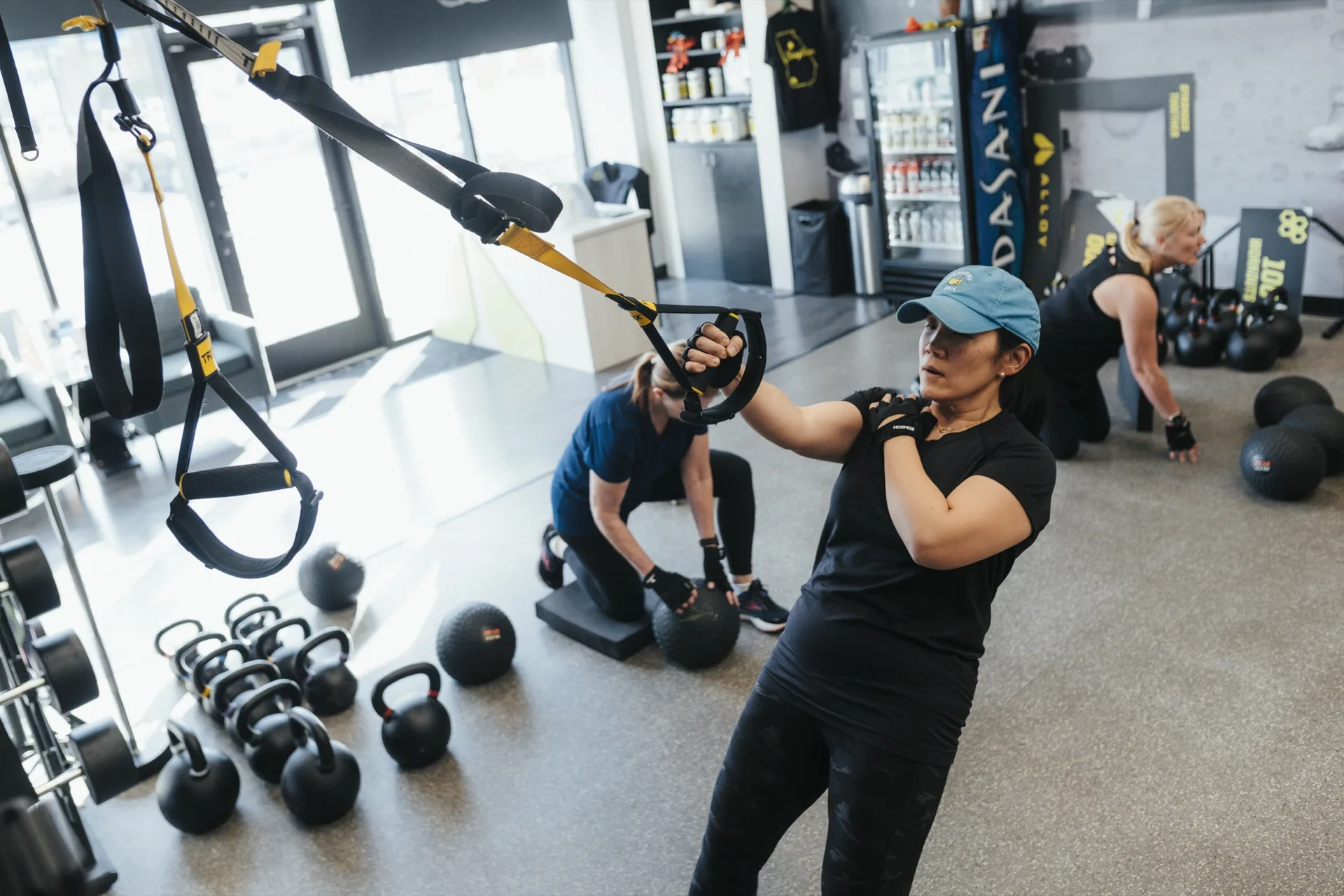
What does a good over-50 program look like?
Two or three coached, 55-minute sessions per week, built on the movements life is made of: sitting and standing under control, picking things up, pushing, pulling, and carrying, made progressively more challenging as your body adapts. Enough recovery between sessions for the body to adapt, and a coach adjusting every exercise to your joints, your history, and the shape you are actually in that day.
Start the next thirty years this month
Every month of training in your 50s and 60s is strength banked for your 70s and 80s. Schedule your Starting Point Session at Alloy Personal Training Tanque Verde and find out exactly where you are starting from.